







Geography Peru, in western South America, extends for nearly 1,500 mi (2,414 km) along the Pacific Ocean. Colombia and Ecuador are to the north, Brazil and Bolivia to the east, and Chile to the south. Five-sixths the size of Alaska, Peru is divided by the Andes Mountains into three sharply differentiated zones. To the west is the coastline, much of it arid, extending 50 to 100 mi (80 to 160 km) inland. The mountain area, with peaks over 20,000 ft (6,096 m), lofty plateaus, and deep valleys, lies centrally. Beyond the mountains to the east is the heavily forested slope leading to the Amazonian plains. Government Constitutional republic. History Peru was once part of the great Incan Empire and later the major vice-royalty of Spanish South America. It was conquered in 1531–1533 by Francisco Pizarro. On July 28, 1821, Peru proclaimed its independence, but the Spanish were not finally defeated until 1824. For a hundred years thereafter, revolutions were frequent; a new war was fought with Spain in 1864–1866, and an unsuccessful war was fought with Chile from 1879 to 1883 (the War of the Pacific. Tourism in Peru makes up the nation’s third largest industry, behind fishing and mining.[2] Tourism is directed towards archeological monuments, ecotourism in the Peruvian Amazon, cultural tourism in colonial cities, gastronomic tourism, adventure tourism, and beach tourism. According to a Peruvian government study, the satisfaction rate for tourists after visiting Peru is 94%.[3] Tourism is the most rapidly growing industry in Peru, growing annually at a rate of 25% over the past five years. Tourism is growing in Peru faster than any other country in South America.
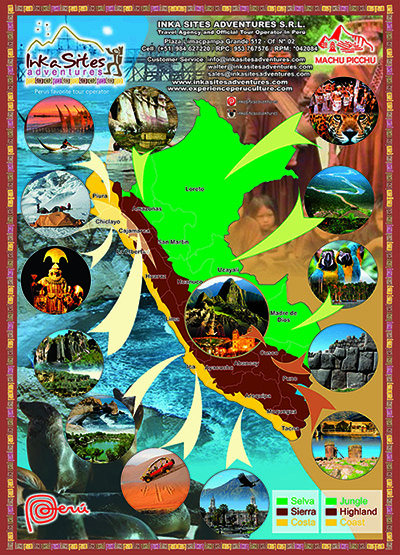
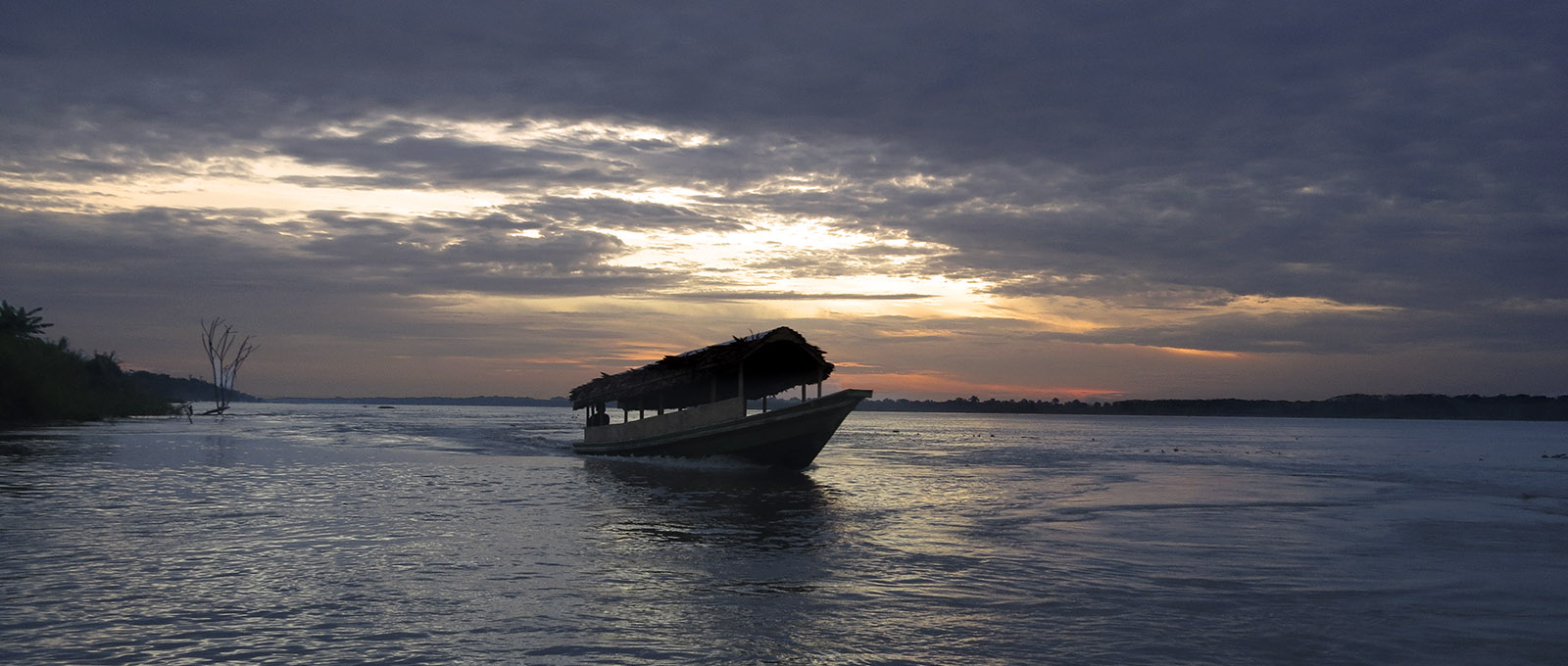
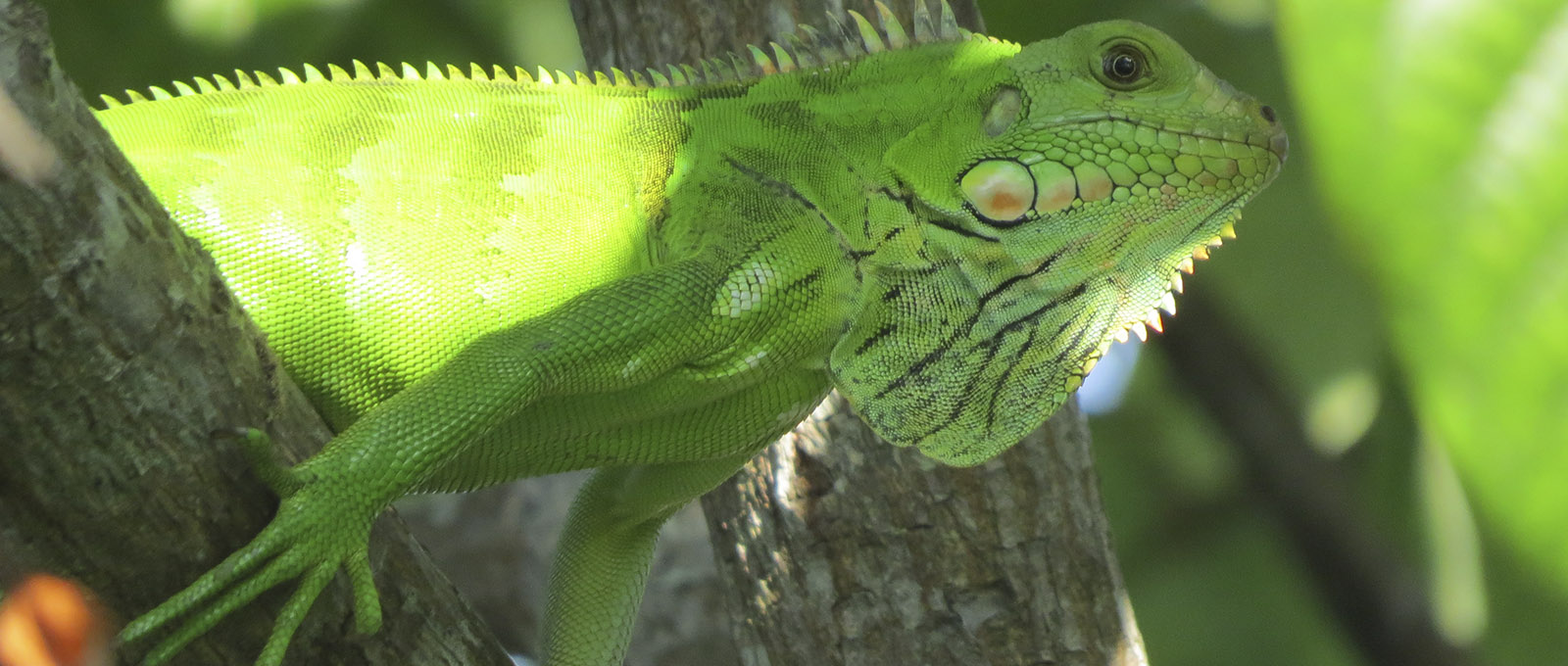
Ecotourism 60% of the land of Peru is in the Amazon Basin. Peru has a higher percentage of land area protected in national parks and reserves than any other country in South America. The Peruvian Amazon is one of the most pristine, virgin, and untouched rainforests on the earth, making it a destination for tourists interested in nature and ecology. Increased tourist infrastructure has been developed. The Peruvian Amazon is divided into two areas: the High Jungle and the Lower Jungle. The High Jungle is more easily accessible, while the Lower Jungle is more pristine and untouched. In recent times, however, the government has increased accessibility to the Lower Jungle. Both areas contain an unrivaled diversity of animal and plant life. Large national preserves of interest to tourists include the Manú National Park, Rio Abiseo National Park, Pacaya Samiria National Reserve, and the Tambopata-Candamo Protected Area. Tourist agencies in these areas promote eco-friendly tourism to preserve the fragile ecosystems of the rainforest. Adventure tourism[edit] Because of Peru’s geographical diversity, it is possible to go surfing, sandboarding, 4×4, dune buggy, alpinism, rafting, rappelling, downhill, rally, trekking, skiing, and mountain climbing. Surfing is extremely popular in Peru, and the country has been host to numerous national and international competitions in the sport. The country is home to the world-famous surfer Sofía Mulánovich. Peru is divided into three geographical regions: the coast, the sierra, and the jungle. Each one has numerous activities suited to its particular climate and environment.
The sport of skiing is developing in the city of Huaraz, and new resorts are created to suit the rising tourist demand. The sand dunes of Ica are popular for dune buggies. River rafting has become very popular among national and international tourists in recent years, and availability in Lima and Cusco is high. Rapids range in difficulty and there are rafting options from novices to experts. Trekking has become the most popular type of adventure sport among tourists in Peru. This is because of the treks offered from Cusco to Machu Picchu, as well as trails in other parts of the country such as Ancash. Mountain climbing is a popular sport among tourists in the sierra region. Gastronomic tourism[edit] See also: Peruvian cuisine Ceviche is a popular Peruvian seafood dish. Peruvian cuisine stems mainly from the combination of Spanish cuisine with traditional native Peruvian ingredients, with later influences from the cuisines of China, Italy, West Africa and Japan, due to the arrival of immigrants from those locations. Each of these cuisines has had to be heavily adapted because of a lack or scarcity of many ingredients. For example, it is still impossible to find such commonplace items as lemons, turnips, kale and chestnuts in Peru.
It is next to impossible to find authentic foreign cuisine to this day because of a lack of ingredients. For example, one can not find authentic Chinese dishes such as Mapo dofu. Instead one finds a mixture of Chinese cooking that has been adapted to the ingredients available in Peru known as Chifa. The three traditional staples of Peruvian cuisine are corn, potatoes and beans. These ingredients have been combined with a number of staples brought by the Spanish, such as rice, wheat and meat (such as beef, pork and chicken). Many traditional foods, such as quinoa, kiwicha, chili peppers and several roots and tubers which had previously been tossed aside for European products, have seen a resurgence in popularity in recent decades with a revival of interest in native Peruvian food crops. Beach tourism[edit] Peru boasts a 2,414-kilometer coastline littered with many beaches attractive to any type of traveler.
Beachgoing in Peru is extremely popular among domestic and international travelers alike. Beach resorts and towns are abundant along the coast and many are in popular areas which attract visitors. Two of the most popular beach areas are Máncora and Punta Sal in the Piura and Tumbes regions respectively, and Asia in the Lima Department. The northern beaches of Máncora and Punta Sal have a pleasant beach climate year round whereas Asia is primarily a summertime beach. Because Asia is located near the city of Lima, many beachgoers own houses in that area. In contrast, Máncora is many hours from major cities so visitors usually stay in hotels or resorts. A beach in Máncora, Piura Region Beachgoing in Peru is affected by fads:
Beach homeowners moved from beach to beach resulting from the oversaturation of one beach. In previous years, the beach of Ancón was the most popular of Lima; it became oversaturated and beachgoers moved south of the city to the beaches of Punta Hermosa, San Bartolo, Santa Maria and Pucusana. In the last decade, these beaches have become oversaturated as well and beachgoers have moved further south to the development of Asia, which has now become extremely popular and is the primary beach destination for Limeans. Máncora, 17 hours north of Lima by bus and 1.5 hours by plane from Talara, is older than Asia but still a relatively new development. In recent years it has experienced a tourist boom and beachgoers flock there. Its beaches have white sand and the town has many nightclubs and bars frequented by thousands of tourists. The popularity of this beach has become so great that a movie has been made about the beach: Máncora. Punta Sal is another beach a half-hour north of Mancora, less popular among young people, and the destination for older people seeking relaxation. Nonetheless it remains a large tourist attraction and is characterized by its white sand beaches and turquoise color waters.
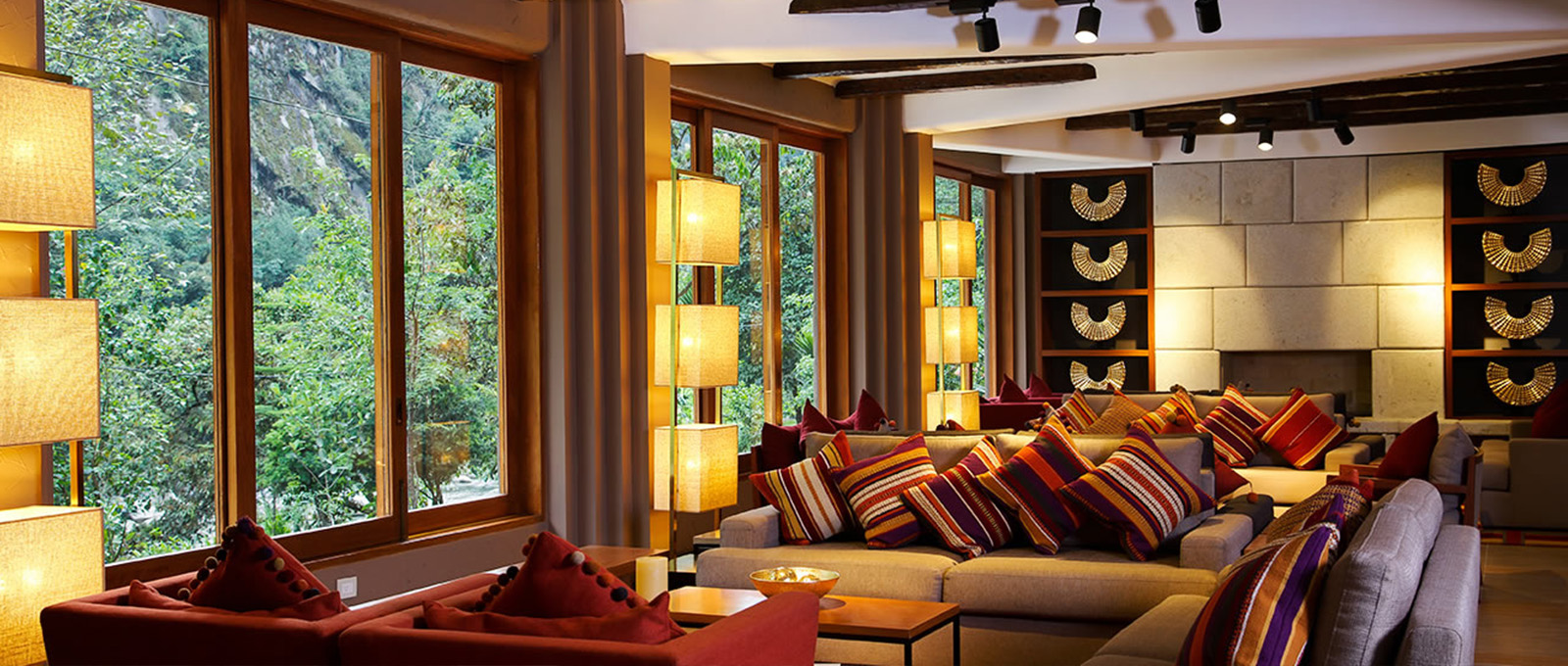
Peruvian beaches are popular places for surfing and their waves are world-renowned. Luxury travel[edit] Peru has also been experiencing a continuous growth in luxury travel, particularly from around 2005 onwards.[8] This niche of tourists arrive seeking high-end hotels and premium experiences in unique destinations, and travel mainly from the U.S. and Europe, but increasingly also from Asian countries, particularly China. The main destinations of interest are Cusco, Urubamba, and Machu Picchu. Recently this segment has been expanding to other area such as the Puno Region and Lake Titicaca, as well as Iquitos and the Colca Canyon in Arequipa, as the government, local authorities and local and international travel firms have made large investments in hotels, infrastructure and other tourism development.
The Peruvian government has made major efforts at securing international investment in the country’s high-end tourism industry, particularly in emerging markets.[9] There are investors from major international hotel chains willing to invest millions of dollars (upwards of US$10 million) in 5 star hotels and resorts in the Mancora and Punta Sal area under capital investment or joint venture schemes.